
How to Say Sorry in Casual Indonesian (Maaf, Sori, Permisi)
Indonesians apologize a lot. Like.. a LOT. Someone bumps into you? They say sorry. You bump into them? They also say sorry. Nobody did anything wrong? Still sorry. It's a whole cultural thing.
But the word you use matters. There's a full spectrum from "I humbly beg your forgiveness" to "my bad lol." Let's break it down.
The formality scale
Mohon maaf. Very formal. "I humbly apologize." You'll hear this in ceremonies, official government statements, Ramadan greetings. Not in your group chat. Not at the warung.
Maafkan saya. Formal. "Forgive me." This one has weight to it. You did something real. You're asking someone to actually forgive you. Serious situations only.
Minta maaf. Semi-formal. "I apologize." Good for workplace apologies, emails, talking to someone older. Polite but not stiff.
Maaf. The default. Standard sorry. Works everywhere, with everyone. This is your safe bet. At a store, in a meeting, with a friend. You can't really go wrong with plain maaf.
Maaf ya. Now we're casual. That little ya softener makes everything warmer. More natural. This is how friends talk to each other. It says "sorry" without making it a big deal.
Sori / sorry. Borrowed straight from English. Super common among younger Indonesians, especially in cities. You'll hear it in Jakarta constantly. Texting? Probably sori. It's light. Easy. Zero drama.
Need to emphasize it?
Maaf banget. Really sorry. The banget cranks up the intensity. You forgot someone's birthday. You showed up an hour late. You accidentally ate their food. Maaf banget covers it.
Sori ya, gue telat. (Sorry I'm late.)
That's peak casual Jakarta Indonesian right there. Sori instead of maaf. The ya softener. Gue instead of saya. This is how people actually talk.
What about "permisi"?
Permisi gets confused with sorry, but it's really "excuse me." Physical excuse me. You're squeezing past someone on the bus. Walking through a crowd. Entering someone's house. That's permisi.
It's not an apology. You didn't do anything wrong. You're just.. announcing your presence. Politely making space. Think of it as the Indonesian equivalent of that awkward "sorry, sorry, excuse me" you do in a movie theater row.
How to respond
Someone says maaf to you? The standard reply:
Gak apa-apa. (It's okay.)
Or even shorter: Gapapa. Same thing, just squished together. This is the "no worries" of Indonesian. You'll hear it fifty times a day.
The cultural thing
Here's what gets foreigners. Indonesian maaf isn't always about guilt. It's about harmony. Humility. Smoothing things over before there's even friction. Someone will say maaf when asking a question. When interrupting. When they haven't done a single thing wrong.
It's not weakness. It's social glue. Once you understand that, you start to get why Indonesian conversations are so padded with apologies that don't feel like apologies at all.
So where do you fall on the scale? Are you a maaf ya person or have you fully committed to sori?
Keep learning
Related articles

How to Say 'Apabila' in Casual Indonesian (Kalo, Kalau)
Apabila is way too formal for everyday conversation. Here's how Indonesians actually say 'if' and 'when' in real life.
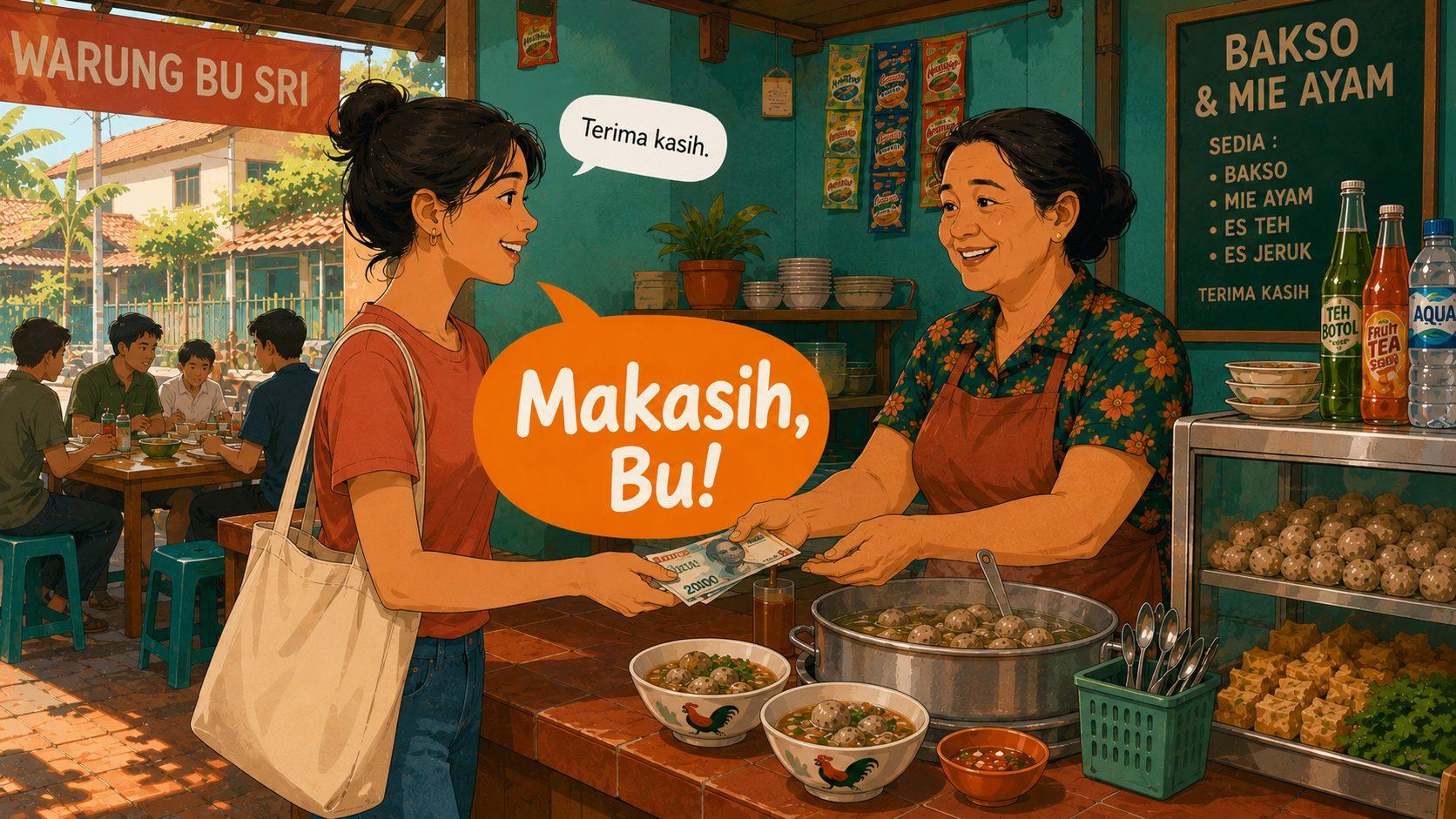
How to Say 'Terima Kasih' Casually in Indonesian
Terima kasih is textbook Indonesian for thank you. But nobody actually talks like that. Here's what people really say - makasih, thanks, tengkyu, and more.
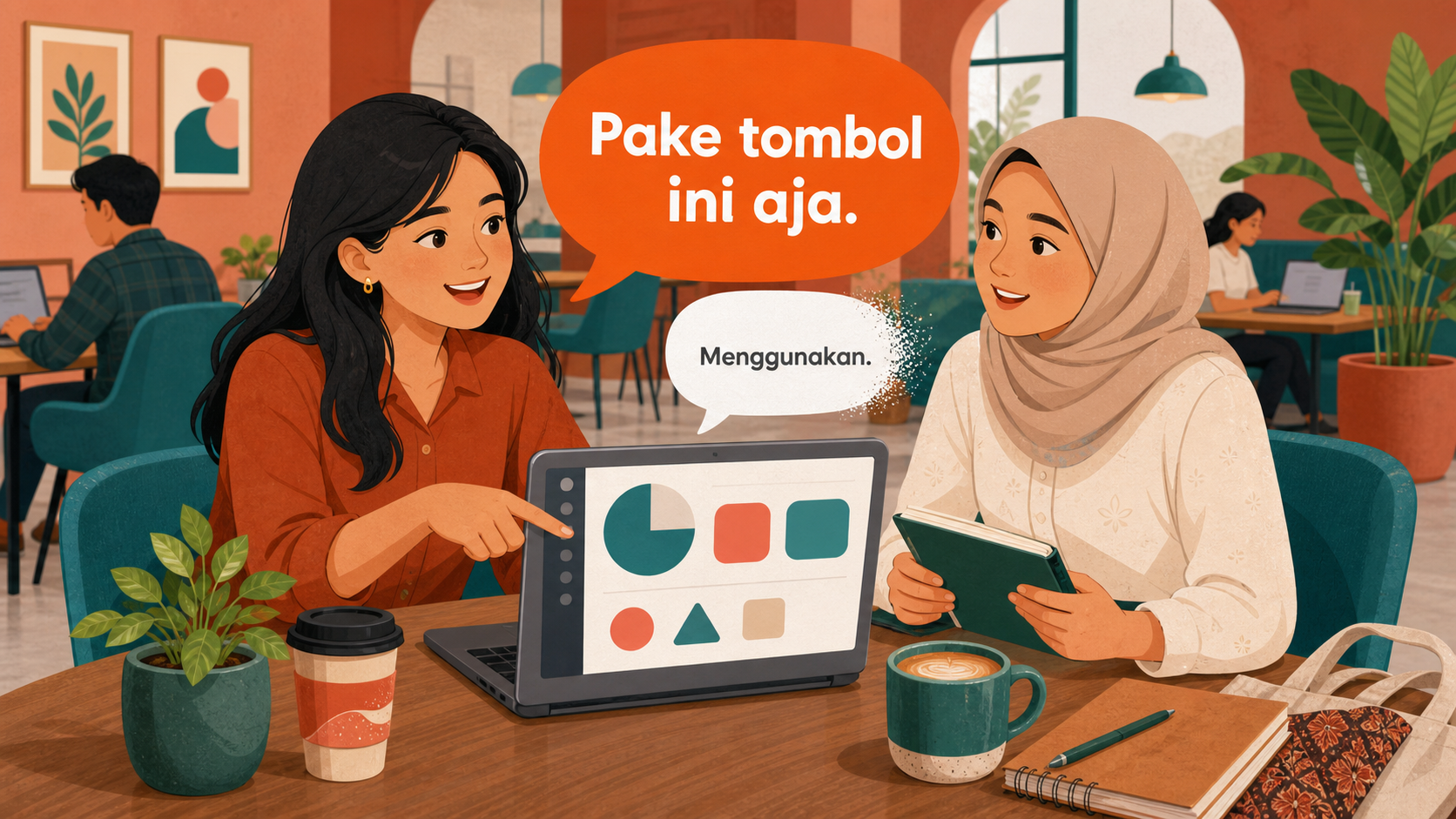
How to Say 'Menggunakan' in Casual Indonesian (Just Say 'Pake')
Drop the meng- prefix and sound way more natural. Menggunakan becomes pake in everyday Indonesian conversation.